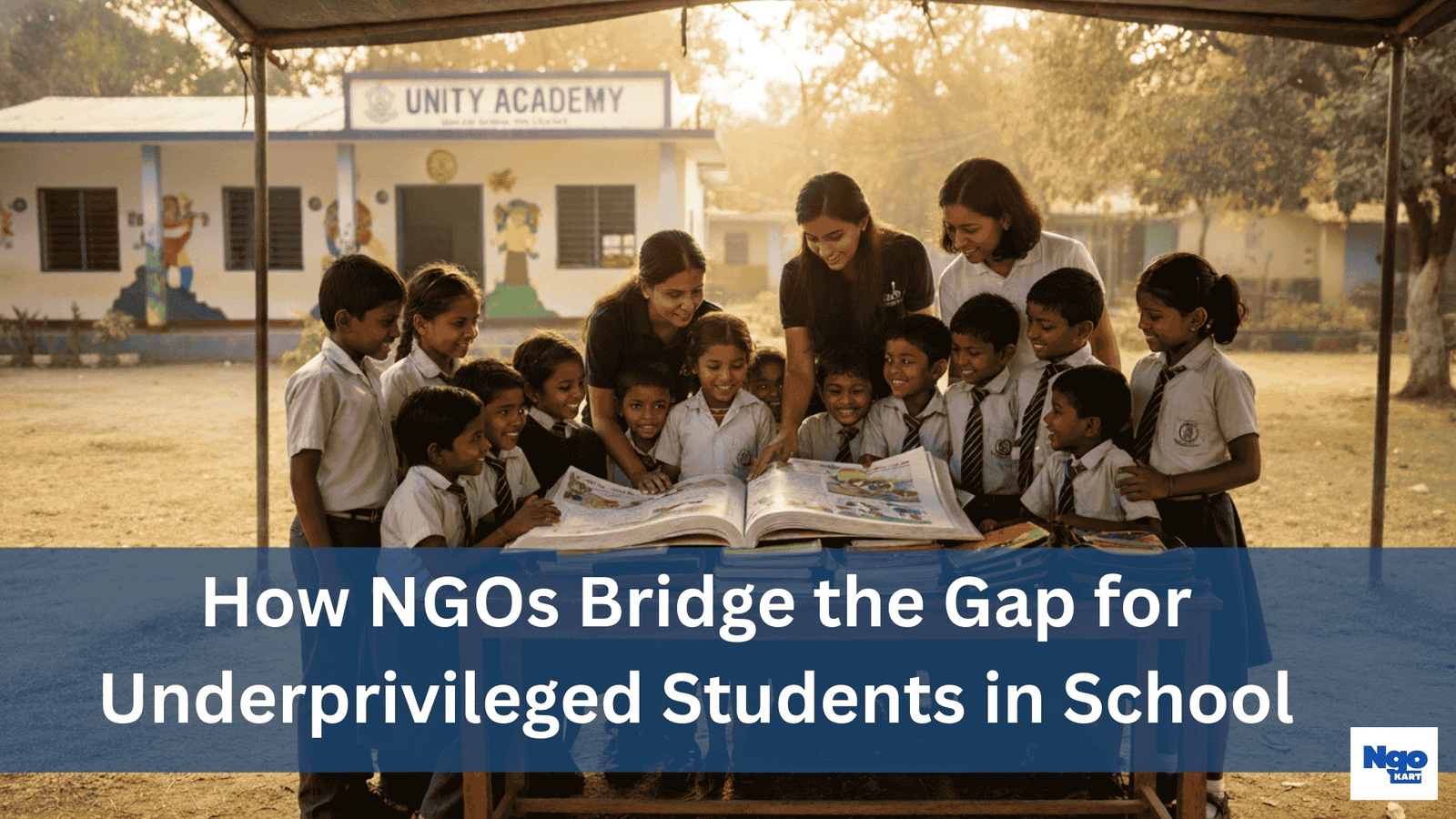
Let me tell you about Rina. I met her a decade ago in a sun-baked village, her schoolbag a frayed plastic bag, her uniform patched but clean. Her eyes, however, held a fierce, quiet determination. She was fighting to stay in a classroom with a leaking roof, two shared textbooks between ten students, and a teacher stretched impossibly thin. Her story isn’t unique. Millions of children globally face a chasm between their right to learn and their reality. This is where the quiet, persistent work of dedicated charities and community organizations steps in—not as saviors, but as partners, building bridges one child, one community, at a time. If you’ve ever wondered how to genuinely help, the answer starts by understanding this partnership model.
The Hidden Barriers: When Poverty Silences Potential
We often think school is about desks, books, and teachers. But for a child from an underprivileged background, the barriers are more profound and start long before the first bell.
The Unseen Costs of “Free” Education
Imagine if your child’s attendance depended on affording transportation, a mandatory uniform, or exam fees. For many families living on the edge, these are impossible choices—school supplies or a week’s groceries? This economic pressure forces heartbreaking decisions. A donation for poor students often isn’t about charity; it’s about removing these tangible, logistical roadblocks that have nothing to do with a child’s ability or desire to learn.
The Ripple Effect of Deprivation at Home
Here’s what happens when a child is hungry or faces trauma: the brain prioritizes survival over algebra. NGOs on the ground see this daily. Support, therefore, must be holistic. It’s not just a textbook; it might be a morning meal at school, counselling for a child facing domestic strife, or after-school tutoring in a safe, quiet space—things a struggling public system often cannot provide alone.
The NGO Response: Building Scaffolds, Not Shortcuts
Effective organizations don’t just parachute in solutions. They work within the community’s fabric, strengthening existing systems and filling critical gaps with cultural humility.
The Multi-Pronged Approach in Action
Take the hypothetical “Bright Futures Collective,” a trust operating in several states. Their model is a textbook example of integrated support:
- Material & Financial Support: They provide stationery kits, uniforms, and cover ancillary fees, ensuring no child is visibly marked by their poverty.
- Academic Reinforcement: Local college volunteers run after-school learning camps, focusing on foundational literacy and numeracy.
- Psycho-Social Care: A part-time counsellor works with children and conducts parent workshops, recognizing that emotional well-being is the bedrock of learning.
- Teacher Empowerment: They facilitate low-cost training for government school teachers on interactive, inclusive teaching methods.
This isn’t a handout; it’s a scaffold. The goal is to provide enough support for the child and family to climb onto steady ground themselves.
The Lasting Impact of a Holistic Partnership
When you sponsor a child for education through a reputable foundation, you’re not just paying fees. You’re investing in this ecosystem of support. I’ve watched sponsored children blossom not just academically, but in confidence. They become the first in their families to graduate, breaking cycles of poverty and often returning as volunteers or community leaders. The return on investment is measured in generations.
How You Can Be Part of the Solution—Ethically and Effectively
The desire to help is powerful. Channeling it effectively requires more heart than wallet. It requires discernment.
Moving Beyond Sympathy to Informed Action
Before opening your checkbook, open your mind. Research is an act of respect—respect for the community and for your own intent to create real change. The most ethical contributions are informed ones.
Your Practical Checklist: 5 Things to Verify Before Contributing
- Governance & Transparency: Does the NGO’s website clearly list its board, annual reports, and audited financial statements? Can you see where funds are allocated?
- Community-Led Approach: Does the organization speak with the community or just for it? Look for evidence of local staff, community advisory boards, and programs designed with input from beneficiaries.
- Sustainable Model: Are they creating dependency or capacity? The best programs have clear exit strategies and focus on empowering local systems.
- Impact Measurement: Beyond feel-good stories, how do they measure change? Look for specifics on learning outcomes, retention rates, and qualitative testimonials.
- Ethical Communication: Do they use dignified imagery and storytelling that respects the children’s privacy and agency, or do they resort to poverty porn?
According to NGO sector guidelines and watchdogs like Charity Navigator or GuideStar India, these are baseline markers of credibility.
A Lesson Learned in the Field: The Power of Listening
Early in my career, we proudly launched a computer lab in a rural school. It saw little use. We finally listened: the teachers were unfamiliar with the tech, the power was erratic, and the children’s foundational math and language skills needed strengthening first. Our flashy solution was irrelevant. We pivoted to teacher training and basic learning kits. The lab came later, with their input. The lesson? The community holds the blueprint for its own development. Our job is to bring tools, listen, and adapt.
Conclusion: Joining Hands in the Collective Effort
Supporting a child’s education through an NGO is one of the most profound investments in our shared future. It’s an act of solidarity that says every child, regardless of birth, deserves the tools to write their own story. This work isn’t about grand gestures; it’s about consistent, respectful partnership. Explore the organizations in your region. Volunteer your skills—be it in mentoring, marketing, or accounting. Advocate for policy change. And if you choose to give financially, do so as a thoughtful investor in human potential. The classroom of hope is built by all of us.
NGO-Focused FAQ: Your Questions Answered
Q1: How can I be sure my donation for child education actually reaches the students?
Reputable NGOs undergo annual, independent financial audits. Always review these publicly available reports. Look for organizations that clearly break down cost structures—what percentage goes directly to program costs (like books, meals, tutor stipends) versus administrative overhead. As reported by reputable charity watchdogs, a 70-80% program spend is often a good benchmark, but context matters. Investing in skilled staff and systems is crucial for long-term impact.
Q2: Is it better to donate to a large international NGO or a small local one?
Both have roles. Large NGOs often bring scale, research-backed methodologies, and significant resources. Small, local community-based organizations offer deep cultural understanding, agility, and direct community trust. The key is their effectiveness and transparency, not their size. A mid-sized domestic foundation can sometimes offer the best of both.
Q3: How do NGOs measure their real impact beyond distributing supplies?
Beyond output numbers (X books given), credible organizations measure outcomes. This includes tracking student enrollment, attendance, and grade progression rates. More advanced groups assess learning levels using standardized tools and monitor long-term indicators like secondary school graduation rates and alumni trajectories. Ask for their impact reports, not just annual reports.
Q4: I want to volunteer, not just donate. How can I be most useful?
The most valued volunteers bring needed, sustainable skills. Instead of a one-off visit to play with children, consider offering regular remote help: grant writing, website design, data analysis, or professional skills training for older students. Always follow the NGO’s lead on what they need. As one program coordinator told me, “We need marathon runners, not sightseers.”
Q5: What’s a major operational challenge NGOs face that donors should understand?
Restricted funding is a huge dilemma. Donors often want to fund only “tangible” items (books, uniforms), but an organization cannot run without covering core costs like rent, electricity, salaries for qualified social workers, and monitoring systems. Unrestricted, flexible donations are the lifeblood that allows NGOs to plan sustainably and respond to crises.
Q6: How can I verify an NGO’s credibility before getting involved?
- Check Registrations: Verify their official registration under acts like the Societies Registration Act, Trusts Act, or Section 8 Company status.
- Scrutinize Financials: Demand to see their FCRA certificate (for foreign donations) and their latest audited financial statements.
- Seek Third-Party Validation: Look for certifications from independent bodies like the Credibility Alliance (India) or ratings on platforms like GiveIndia.
- Visit and Ask Questions: If possible, visit their project site. Speak to staff and, with permission, community members. Transparency withstands scrutiny.